Language:en 
- zh-cn
- en
- ja
- fr
- ko
- de
- pt-pt
- es
FLAM Electronics



In the realm of electrical engineering, capacitor cabinets play a crucial role in enhancing the efficiency and reliability of electrical systems. A capacitor cabinet is a specialized enclosure that houses capacitor banks, control systems, and protection devices, all designed to manage reactive power in electrical networks. This article will delve into the definition, components, applications, benefits, installation, maintenance, challenges, and future trends of capacitor cabinets, providing a comprehensive understanding of this essential product.
At its core, a capacitor is an electrical component that stores energy in an electric field. It consists of two conductive plates separated by an insulating material, known as a dielectric. When voltage is applied across the plates, an electric field develops, allowing the capacitor to store energy. Capacitors are classified into various types, including ceramic, electrolytic, film, and tantalum capacitors, each serving different purposes in electrical systems.
Capacitors play several vital roles in electrical systems:
1. **Energy Storage**: Capacitors can store and release energy quickly, making them essential for applications requiring rapid energy discharge, such as in power electronics and signal processing.
2. **Power Factor Correction**: In alternating current (AC) systems, capacitors help improve the power factor by compensating for inductive loads, which can lead to more efficient energy usage.
3. **Voltage Regulation**: Capacitors help stabilize voltage levels in electrical systems, ensuring that equipment operates within safe limits and reducing the risk of damage.
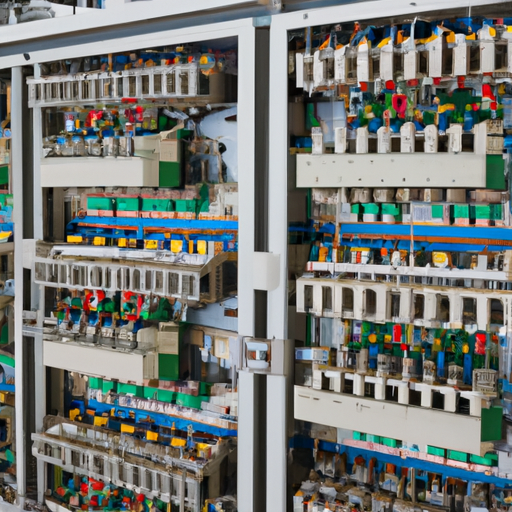
A capacitor cabinet is an enclosure designed to house multiple capacitor banks, control systems, and protective devices. Its primary purpose is to manage reactive power in electrical systems, thereby improving power factor, reducing energy costs, and enhancing overall system reliability.
1. **Capacitor Banks**: These are groups of capacitors connected in parallel or series to achieve the desired capacitance and voltage ratings. They are the core components of a capacitor cabinet.
2. **Control Systems**: These systems monitor and manage the operation of the capacitor banks, ensuring they engage and disengage as needed to maintain optimal power factor levels.
3. **Protection Devices**: These include fuses, circuit breakers, and surge protectors that safeguard the capacitor banks and the overall electrical system from faults and overvoltage conditions.
1. **Indoor vs. Outdoor Cabinets**: Indoor cabinets are designed for installation within buildings, while outdoor cabinets are built to withstand environmental conditions and are often used in utility applications.
2. **Fixed vs. Automatic Capacitor Banks**: Fixed capacitor banks provide a constant level of capacitance, while automatic capacitor banks adjust their capacitance based on real-time power factor measurements, offering greater flexibility and efficiency.
Capacitor cabinets are widely used in industrial settings, such as manufacturing facilities and power plants. In these environments, they help manage reactive power, improve energy efficiency, and reduce operational costs.
In commercial buildings, such as office complexes and retail spaces, capacitor cabinets enhance power quality, reduce energy bills, and ensure that electrical systems operate smoothly.
Capacitor cabinets are essential in power distribution networks and renewable energy systems. They help stabilize voltage levels, improve power factor, and support the integration of renewable energy sources, such as solar and wind power.
One of the primary benefits of capacitor cabinets is their ability to improve power factor. By compensating for inductive loads, they reduce the amount of reactive power drawn from the grid, leading to more efficient energy usage.
With improved power factor comes reduced energy costs. Many utility companies charge higher rates for customers with poor power factors, so by using capacitor cabinets, businesses can lower their electricity bills.
Capacitor cabinets contribute to the overall reliability of electrical systems. By stabilizing voltage levels and reducing the risk of voltage sags and spikes, they help protect sensitive equipment from damage.
By maintaining optimal voltage levels and reducing stress on electrical components, capacitor cabinets can extend the lifespan of equipment, leading to lower maintenance and replacement costs.
1. **Site Assessment**: Before installation, a thorough site assessment is necessary to determine the appropriate location, size, and type of capacitor cabinet required.
2. **Electrical Requirements**: Proper electrical connections and compliance with local codes and regulations are essential for safe and effective operation.
1. **Regular Inspections**: Routine inspections of capacitor cabinets are crucial to identify potential issues before they escalate. This includes checking for signs of wear, corrosion, or damage.
2. **Troubleshooting Common Issues**: Common problems, such as overheating or capacitor failure, should be addressed promptly to ensure continued operation.
3. **Safety Precautions**: Given the high voltages involved, safety precautions must be taken during installation and maintenance to protect personnel and equipment.
1. **Harmonics and Resonance**: Capacitor cabinets can introduce harmonics into the electrical system, which may lead to resonance conditions that can damage equipment.
2. **Overvoltage Conditions**: Improperly sized or configured capacitor banks can result in overvoltage conditions, posing risks to both the capacitor cabinet and connected equipment.
Compliance with local and national electrical codes is essential when installing and operating capacitor cabinets. This ensures safety and reliability while avoiding potential legal issues.
As technology advances, capacitor cabinets are likely to evolve. Innovations may include smarter control systems, enhanced materials for better performance, and integration with renewable energy sources to support a more sustainable energy future.
Capacitor cabinets are vital components in modern electrical systems, providing numerous benefits, including improved power factor, reduced energy costs, and enhanced system reliability. As industries continue to seek ways to optimize energy usage and integrate renewable energy sources, the importance of capacitor cabinets will only grow. Understanding their function, applications, and maintenance is essential for anyone involved in electrical engineering or facility management. As we look to the future, continued exploration and innovation in capacitor technology will pave the way for more efficient and sustainable electrical systems.
For further reading and resources on capacitor cabinets and related technologies, consider exploring the following:
1. IEEE Standards on Power Factor Correction
2. Manufacturer specifications and installation guides for capacitor cabinets
3. Industry publications on electrical engineering and energy efficiency
By understanding the intricacies of capacitor cabinets, professionals can make informed decisions that enhance the performance and reliability of their electrical systems.