Language:en 
- zh-cn
- en
- ja
- fr
- ko
- de
- pt-pt
- es
FLAM Electronics



Capacitor compensation is a crucial aspect of electrical engineering that plays a significant role in enhancing the efficiency and stability of power systems. It involves the use of capacitors to improve power factor, stabilize voltage levels, and reduce losses in electrical networks. This blog post aims to explore the top 10 popular models of capacitor compensation, providing insights into their functionalities, advantages, and applications. By understanding these models, engineers and technicians can make informed decisions about which compensation method best suits their specific needs.
Capacitor compensation refers to the use of capacitors in electrical systems to counteract the effects of inductive loads, which can lead to poor power factor and voltage instability. The primary role of capacitor compensation is to provide reactive power support, thereby improving the overall efficiency of the power system.
The benefits of capacitor compensation are manifold. It helps in power factor correction, which reduces the demand for reactive power from the grid, leading to lower energy costs. Additionally, it stabilizes voltage levels, ensuring that electrical equipment operates within their specified limits. Common applications of capacitor compensation can be found in industrial settings, such as manufacturing plants, and commercial buildings, where large inductive loads are prevalent.
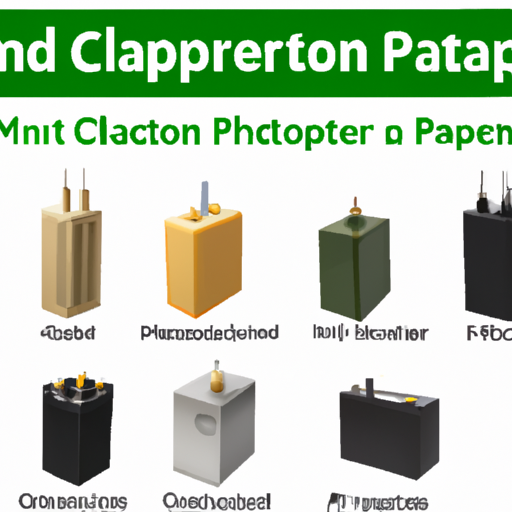
There are various models of capacitor compensation, each designed to address specific challenges in power systems. Selecting the right model is essential for optimizing performance and achieving desired outcomes. The following sections will delve into the top 10 models of capacitor compensation, highlighting their unique features and applications.
Fixed capacitor banks are one of the simplest forms of capacitor compensation. They consist of a set of capacitors connected in parallel to the electrical system. These banks provide a constant amount of reactive power, which helps improve the power factor.
The primary advantage of fixed capacitor banks is their simplicity and low cost. However, they lack flexibility, as they cannot adjust to varying load conditions. This can lead to overcompensation during low load periods and undercompensation during peak demand.
Fixed capacitor banks are commonly used in industrial plants and commercial buildings where the load is relatively stable and predictable.
Automatic capacitor banks are designed to adjust the amount of reactive power supplied based on real-time load conditions. They utilize control systems to monitor the power factor and automatically switch capacitors in and out of the circuit as needed.
The primary benefit of automatic capacitor banks is their ability to maintain an optimal power factor, reducing energy costs and improving system reliability.
These systems are particularly useful in environments with fluctuating loads, such as manufacturing facilities and data centers.
Synchronous condensers are rotating machines that provide reactive power support to the grid. They operate similarly to synchronous motors but are used primarily for power factor correction.
Unlike traditional capacitor banks, synchronous condensers can provide both reactive power and voltage support, making them suitable for large power systems.
They are often used in utility-scale power plants and large industrial facilities where significant reactive power support is required.
Static VAR Compensators (SVC) are advanced power electronic devices that provide dynamic reactive power compensation. They consist of a combination of capacitors and inductors, controlled by power electronics to adjust the reactive power output in real-time.
SVCs are highly effective in stabilizing voltage levels and improving power quality, especially in systems with rapidly changing loads.
SVCs are commonly used in transmission networks and industrial applications where voltage stability is critical.
Static Synchronous Compensators (STATCOM) are similar to SVCs but utilize voltage-source converters to provide reactive power compensation. They can respond quickly to changes in load conditions, making them highly effective for dynamic compensation.
STATCOMs offer several advantages, including faster response times and the ability to provide both capacitive and inductive reactive power.
They are increasingly used in renewable energy systems, such as wind and solar farms, to manage voltage fluctuations and improve grid stability.
Hybrid compensation systems combine different compensation technologies to optimize performance. For example, a system may integrate fixed capacitor banks with SVCs or STATCOMs to achieve a balance between cost and performance.
The primary benefit of hybrid systems is their flexibility and adaptability to varying load conditions. However, they can be more complex to design and maintain.
Capacitor Voltage Regulators (CVRs) are devices that improve voltage stability in distribution networks. They work by automatically adjusting the amount of reactive power supplied to the system based on voltage levels.
By maintaining voltage levels within specified limits, CVRs help prevent voltage sags and swells, which can damage electrical equipment.
CVRs are commonly used in utility distribution systems to enhance voltage regulation and improve overall power quality.
Distributed generation refers to the production of electricity from small-scale sources located close to the point of use. Integrating capacitor compensation in distributed systems can enhance their performance and reliability.
The use of capacitor compensation in distributed generation helps improve power quality, reduce losses, and enhance the overall efficiency of the system.
Several case studies have demonstrated the effectiveness of capacitor compensation in distributed generation, particularly in microgrid applications.
Dynamic reactive power compensation involves the use of advanced technologies to provide real-time reactive power support. This approach is essential for maintaining system stability in industrial processes with rapidly changing loads.
Technologies such as SVCs and STATCOMs are commonly employed for dynamic reactive power compensation.
Dynamic compensation is particularly important in industries such as steel manufacturing and chemical processing, where load conditions can fluctuate significantly.
Smart grid technologies are revolutionizing the way capacitor compensation is implemented in electrical systems. These technologies leverage advanced monitoring and control systems to optimize the performance of capacitor compensation models.
Smart grids enable real-time data collection and analysis, allowing for more precise control of capacitor banks and other compensation devices.
As the demand for renewable energy and energy efficiency continues to grow, the integration of capacitor compensation within smart grid frameworks will become increasingly important.
In summary, capacitor compensation is a vital component of modern electrical systems, offering numerous benefits such as improved power factor, voltage stabilization, and reduced energy costs. The top 10 models of capacitor compensation discussed in this article provide a range of options for engineers and technicians to consider based on their specific applications. As technology continues to evolve, the future of capacitor compensation looks promising, with advancements in smart grid technologies and renewable energy integration paving the way for more efficient and sustainable energy systems.
- [IEEE Papers on Capacitor Compensation](https://ieeexplore.ieee.org/)
- [Research Articles on Power Factor Correction](https://www.sciencedirect.com/)
- [Books on Electrical Engineering and Power Systems](https://www.springer.com/)
This blog post serves as a comprehensive guide to understanding the various models of capacitor compensation, their applications, and their significance in enhancing the efficiency of electrical systems.