Language:en 
- zh-cn
- en
- ja
- fr
- ko
- de
- pt-pt
- es
FLAM Electronics



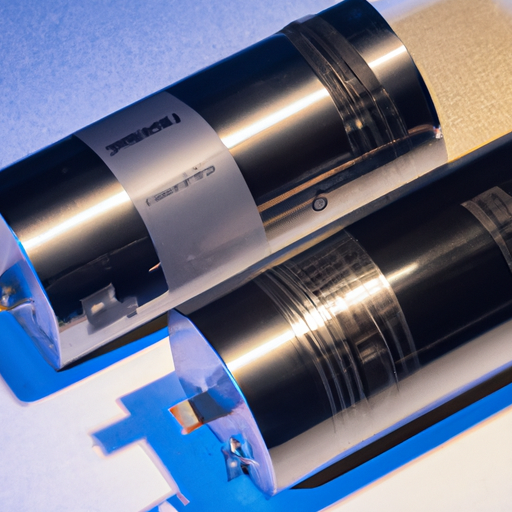
Linear Variable Differential Transformers (LVDTs) are sophisticated electromechanical devices designed for precise measurement of linear displacement. They function based on the principle of electromagnetic induction, making them highly accurate, reliable, and durable. The fundamental structure of an LVDT includes a primary coil, two secondary coils, and a movable ferromagnetic core, which together facilitate the measurement process.
| 1. Operating Principle | |
| 2. Output Characteristics | |
| 3. Advantages | |
| 1. Aerospace and Defense | |
| 2. Automotive Industry | |
| 3. Manufacturing and Automation | |
| 4. Civil Engineering | |
| 5. Robotics | |
| 6. Medical Devices | |
| 1. High-Precision Measurement Systems | |
| 2. Automated Quality Control | |
| 3. Structural Monitoring | |
| 4. Robotic Arm Feedback |
LVDT transducers, such as the CFR-50JB-52-12R model, are vital components across various industries due to their accuracy, reliability, and versatility. Their capability to deliver precise linear displacement measurements makes them indispensable in applications ranging from aerospace to manufacturing and civil engineering. As technology continues to evolve, the integration of LVDTs into new applications is expected to expand, further solidifying their role in modern engineering and automation.