Language:en 
- zh-cn
- en
- ja
- fr
- ko
- de
- pt-pt
- es
FLAM Electronics



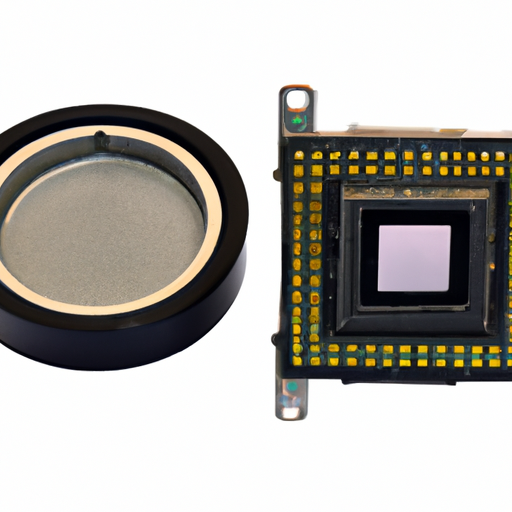
Cadmium Sulfide (CdS) cells, also known as photoresistors or light-dependent resistors (LDRs), are semiconductor devices that exhibit a change in resistance based on the intensity of light they are exposed to. The CFR-25JB-52-13K model is a notable example of a CdS cell, widely utilized in various applications due to its sensitivity to light and ease of integration into electronic circuits. Below, we explore the core functional technology behind CdS cells and highlight several application development cases that demonstrate their effectiveness.
| 1. Principle of Operation | |
| 2. Characteristics | |
| 3. Advantages | |
| 1. Automatic Lighting Control | |
| 2. Photography | |
| 3. Solar Garden Lights | |
| 4. Alarm Systems | |
| 5. Agricultural Monitoring |
CdS cells, including the CFR-25JB-52-13K model, are versatile and effective photo detectors that find applications across various fields. Their ability to respond to changes in light makes them invaluable in automation, security, photography, and environmental monitoring. As technology continues to advance, the integration of CdS cells into smart systems is evolving, underscoring their enduring relevance and effectiveness in modern applications.