Language:en 
- zh-cn
- en
- ja
- fr
- ko
- de
- pt-pt
- es
FLAM Electronics



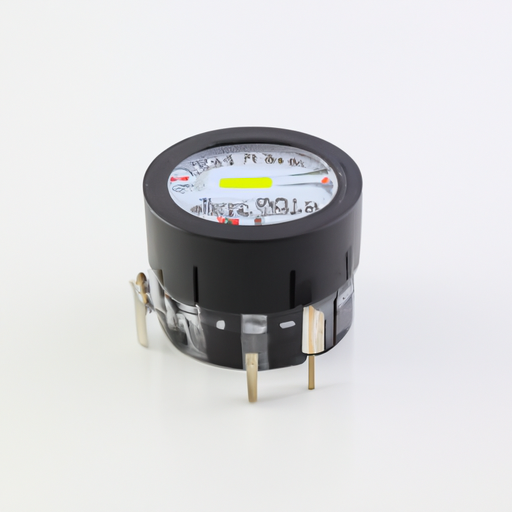
Strain gauges, such as the CFR-25JB-52-160R, are pivotal in engineering and scientific applications for measuring strain on materials. This overview delves into the core functional technology behind strain gauges and highlights various application development cases that demonstrate their effectiveness.
| 1. Basic Principle | |
| 2. Construction | |
| 3. Wheatstone Bridge Configuration | |
| 4. Temperature Compensation | |
| 5. Signal Conditioning | |
| 1. Structural Health Monitoring | |
| 2. Aerospace Testing | |
| 3. Automotive Industry | |
| 4. Biomedical Applications | |
| 5. Load Cells | |
| 6. Robotics and Automation |
Strain gauges like the CFR-25JB-52-160R are versatile instruments that significantly contribute to various industries by providing accurate strain and stress measurements. Their applications span structural health monitoring, aerospace testing, automotive safety, biomedical device development, load measurement, and robotics. As technology continues to evolve, the integration of strain gauges with digital systems and IoT devices is expected to broaden their applications, further enhancing their impact on safety, performance, and design across multiple fields.