Language:en 
- zh-cn
- en
- ja
- fr
- ko
- de
- pt-pt
- es
FLAM Electronics



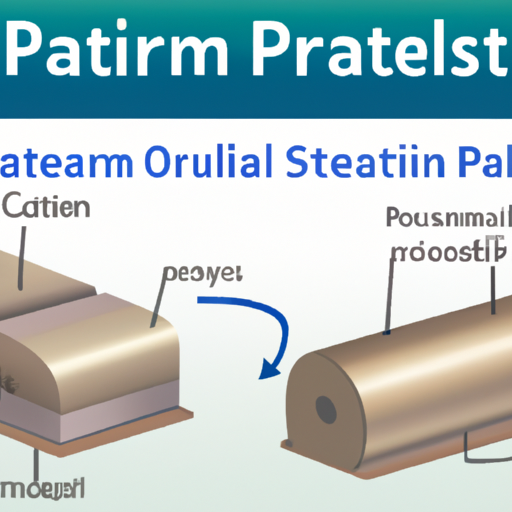
Parallel plate capacitors are fundamental components in electronic circuits, serving as essential elements for energy storage, filtering, and timing applications. These capacitors consist of two conductive plates separated by a dielectric material, which allows them to store electrical energy in an electric field. Their simplicity and effectiveness make them a popular choice in various electronic devices, from smartphones to power supplies. Understanding the production process of these capacitors is crucial for appreciating their role in modern technology. This blog post will delve into the materials, design considerations, production steps, quality control measures, and environmental considerations involved in manufacturing mainstream parallel plate capacitors.
The dielectric material is a critical component of parallel plate capacitors, as it determines the capacitor's ability to store charge. Common dielectric materials include ceramics, plastics, and electrolytic substances.
1. **Types of Dielectrics**:
- **Ceramic Dielectrics**: Known for their high dielectric constant and stability, ceramic materials are widely used in capacitors for high-frequency applications.
- **Plastic Dielectrics**: Materials like polyester and polypropylene are favored for their excellent insulation properties and lower cost, making them suitable for consumer electronics.
2. **Properties and Selection Criteria**:
The selection of dielectric materials is based on several factors, including dielectric strength, temperature stability, and frequency response. The dielectric constant (ε) is a crucial property, as it directly influences the capacitance value.
Conductive materials form the plates of the capacitor and are essential for its functionality.
1. **Types of Conductors**:
- **Aluminum**: Commonly used due to its good conductivity and cost-effectiveness.
- **Copper**: Offers superior conductivity but is more expensive and less corrosion-resistant than aluminum.
2. **Role of Conductive Materials**:
The choice of conductive material affects the capacitor's performance, including its equivalent series resistance (ESR) and overall efficiency.
The capacitance of a parallel plate capacitor is determined by the formula:
\[ C = \frac{ε \cdot A}{d} \]
where \( C \) is the capacitance, \( ε \) is the permittivity of the dielectric material, \( A \) is the area of one plate, and \( d \) is the separation between the plates.
1. **Factors Affecting Capacitance**:
The capacitance can be influenced by the choice of dielectric material, the size of the plates, and the distance between them.
1. **Plate Area**:
Increasing the plate area enhances the capacitance, making it a critical design consideration for applications requiring higher capacitance values.
2. **Plate Separation**:
Reducing the distance between the plates increases capacitance but may also lead to dielectric breakdown if the voltage exceeds the dielectric strength.
1. **Industry Standards**:
Capacitors must meet specific industry standards, such as those set by the International Electrotechnical Commission (IEC) and the American National Standards Institute (ANSI).
2. **Customization for Specific Applications**:
Capacitors can be tailored to meet the unique requirements of different applications, including size, capacitance value, and voltage rating.
1. **Sourcing and Quality Control**:
The production process begins with sourcing high-quality dielectric and conductive materials. Rigorous quality control measures ensure that materials meet the required specifications.
2. **Pre-processing of Dielectric and Conductive Materials**:
This step may involve cleaning, cutting, and preparing materials for further processing.
1. **Cutting and Shaping Conductive Plates**:
Conductive materials are cut into the desired shapes and sizes, typically using precision cutting tools to ensure accuracy.
2. **Surface Treatment and Coating**:
Surface treatments, such as anodizing for aluminum plates, enhance corrosion resistance and improve adhesion for dielectric layers.
1. **Methods of Dielectric Deposition**:
Dielectric materials can be applied using various methods, including lamination, coating, or spraying, depending on the material and desired thickness.
2. **Curing and Drying Processes**:
After application, the dielectric layer undergoes curing and drying to achieve the desired properties and ensure proper adhesion to the conductive plates.
1. **Layer Stacking**:
The conductive plates and dielectric layers are stacked in the correct order to form the capacitor structure.
2. **Connection of Plates**:
The plates are connected using conductive leads, ensuring a reliable electrical connection.
1. **Protective Coatings**:
A protective coating is applied to shield the capacitor from environmental factors, such as moisture and dust.
2. **Final Packaging for Distribution**:
Capacitors are packaged in protective materials to prevent damage during transportation and storage.
1. **Dimensional Inspection**:
Throughout the production process, dimensional checks are performed to ensure that components meet specified tolerances.
2. **Electrical Testing**:
Electrical tests are conducted to verify the performance of the capacitors, including capacitance and ESR measurements.
1. **Capacitance Measurement**:
Final capacitance measurements are taken to ensure that the product meets the specified values.
2. **Leakage Current Testing**:
This test assesses the capacitor's ability to hold charge without significant leakage, which is crucial for reliability.
3. **Endurance Testing**:
Capacitors undergo endurance testing to evaluate their performance under prolonged use and varying environmental conditions.
1. **Recycling of Materials**:
Efforts are made to recycle materials used in the production process, reducing waste and promoting sustainability.
2. **Disposal of Hazardous Substances**:
Manufacturers must adhere to regulations regarding the disposal of hazardous materials, ensuring safe and environmentally friendly practices.
1. **Worker Safety Measures**:
Safety protocols are implemented to protect workers from potential hazards associated with manufacturing processes.
2. **Compliance with Regulatory Standards**:
Manufacturers must comply with local and international safety and environmental regulations to ensure safe operations.
The production process of mainstream parallel plate capacitors involves a complex interplay of materials, design considerations, and manufacturing steps. From the careful selection of dielectric and conductive materials to the rigorous quality control measures, each stage is crucial for ensuring the performance and reliability of the final product. As technology continues to evolve, the demand for capacitors with higher performance and efficiency will drive innovation in manufacturing techniques. Continuous improvement in production processes will be essential to meet the growing needs of the electronics industry and to promote sustainable practices.
1. Academic Journals
2. Industry Standards and Guidelines
3. Manufacturer Specifications and Technical Documents
This comprehensive overview of the production process of mainstream parallel plate capacitors highlights the intricate details involved in creating these essential electronic components. Understanding this process not only enhances our appreciation of capacitors but also underscores the importance of quality and sustainability in modern manufacturing.