Language:en 
- zh-cn
- en
- ja
- fr
- ko
- de
- pt-pt
- es
FLAM Electronics



In the world of electronics, ensuring the safety and reliability of circuits is paramount. One critical component that plays a significant role in circuit protection is the spot fuse resistor. This article will delve into the intricacies of spot fuse resistors, their importance, and how to choose the right one for your specific application.
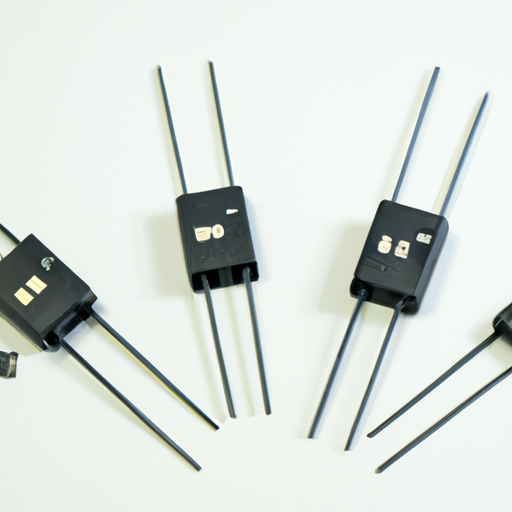
Spot fuse resistors are specialized components that combine the functions of a resistor and a fuse. They are designed to limit current flow in a circuit while also providing overcurrent protection. When the current exceeds a predetermined threshold, the fuse element within the resistor will blow, effectively interrupting the circuit and preventing damage to other components.
Selecting the appropriate spot fuse resistor is crucial for the longevity and safety of electronic devices. An incorrect choice can lead to circuit failure, component damage, or even safety hazards. Therefore, understanding the specifications and characteristics of these components is essential for any engineer or designer.
This article will guide you through the process of choosing spot fuse resistors, covering their types, key specifications, environmental considerations, performance characteristics, compliance standards, sourcing options, and practical tips for selection.
Spot fuse resistors serve dual purposes: they limit current flow and protect circuits from overcurrent conditions. By integrating these functions, they simplify circuit design and enhance reliability.
These components are widely used in various applications, including power supplies, automotive electronics, consumer devices, and industrial equipment. Their ability to protect sensitive components makes them invaluable in modern electronics.
Surface mount fuse resistors are designed for automated assembly processes and are ideal for compact circuit designs. They offer low profile and high reliability, making them suitable for high-density applications.
Through-hole fuse resistors are mounted by inserting leads into holes on a printed circuit board (PCB). They are often used in applications where higher power ratings are required and provide robust mechanical support.
Specialty fuse resistors are tailored for specific applications, such as high-temperature environments or unique circuit requirements. These components may have enhanced features like increased moisture resistance or specific voltage ratings.
The resistance value of a fuse resistor is critical in determining how much current will flow through the circuit under normal conditions. Selecting the correct resistance ensures that the circuit operates efficiently without exceeding safe current levels.
To determine the required resistance, consider the circuit's voltage and current specifications. Ohm's Law (V = IR) can be used to calculate the necessary resistance value based on the desired current flow.
The power rating indicates the maximum amount of power the resistor can dissipate without failing. It is essential to choose a fuse resistor with a power rating that exceeds the expected power dissipation in the circuit.
Power can be calculated using the formula P = I²R, where P is power, I is current, and R is resistance. This calculation helps ensure that the selected fuse resistor can handle the expected load.
The temperature coefficient indicates how much the resistance value changes with temperature. A low temperature coefficient is desirable for applications requiring stable performance across varying temperatures.
A high temperature coefficient can lead to significant changes in resistance, affecting circuit performance and reliability. Therefore, selecting a fuse resistor with an appropriate temperature coefficient is crucial.
The voltage rating specifies the maximum voltage the fuse resistor can handle without breaking down. Exceeding this rating can lead to catastrophic failure.
Choosing a fuse resistor with an adequate voltage rating is essential for ensuring circuit safety and preventing damage to other components.
Consider the operating temperature range of the application. Ensure that the selected fuse resistor can function effectively within the expected temperature limits.
In environments with high humidity or moisture, selecting a fuse resistor with moisture resistance is vital to prevent corrosion and failure.
For applications exposed to chemicals, choose fuse resistors that offer chemical resistance to ensure longevity and reliability.
In applications subject to mechanical stress or vibration, selecting robust fuse resistors that can withstand these conditions is essential for maintaining performance.
The response time of a fuse resistor is critical in applications where rapid overcurrent protection is necessary. A faster response time can prevent damage to sensitive components.
Reliability is a key factor in the selection of fuse resistors. Look for components with a proven track record of longevity and consistent performance.
In an open circuit failure, the fuse element blows, interrupting the current flow. This is the desired failure mode for overcurrent protection.
In a short circuit failure, the fuse resistor may not blow as intended, leading to potential damage to the circuit. Understanding the failure modes helps in selecting the right component for your application.
Ensure that the selected fuse resistors comply with industry standards such as UL (Underwriters Laboratories), IEC (International Electrotechnical Commission), and RoHS (Restriction of Hazardous Substances).
Certification ensures that the components meet safety and performance standards, providing peace of mind for designers and manufacturers.
Check the manufacturer's documentation and certifications to verify compliance with relevant standards.
Choose fuse resistors from reputable manufacturers known for quality and reliability. Researching manufacturer backgrounds can help ensure you select high-quality components.
Evaluate suppliers based on their quality control processes, customer reviews, and industry reputation. A reliable supplier can significantly impact the overall quality of your project.
While cost is an important factor, prioritize quality over price. Investing in high-quality fuse resistors can save money in the long run by reducing failures and improving reliability.
Consider the specific requirements of your application when selecting fuse resistors. Different applications may have unique needs that influence your choice.
Before finalizing your selection, prototype and test the chosen fuse resistors in your circuit. This step can help identify any potential issues and ensure compatibility.
When in doubt, consult with experts or experienced colleagues. Their insights can provide valuable guidance in selecting the right components for your project.
Choosing the right spot fuse resistor involves understanding their function, specifications, environmental considerations, and compliance standards. By carefully evaluating these factors, you can ensure the safety and reliability of your electronic circuits.
The selection process may seem daunting, but thorough research and consideration of your specific application can lead to informed decisions.
Take the time to explore various options, consult with experts, and test components to find the best fit for your needs. The right spot fuse resistor can make all the difference in the performance and safety of your electronic designs.
- "Electronic Components: A Complete Reference for Engineers and Technicians" by John Doe
- "Understanding Resistors and Their Applications" by Jane Smith
- UL Standards for Fuse Resistors
- IEC Standards for Electronic Components
- RoHS Compliance Guidelines
By following this comprehensive guide, you can confidently choose the right spot fuse resistors for your electronic projects, ensuring both performance and safety.