Language:en 
- zh-cn
- en
- ja
- fr
- ko
- de
- pt-pt
- es
FLAM Electronics



High-voltage resistors are essential components in various electrical and electronic applications, serving to limit current, divide voltages, and protect sensitive devices from voltage spikes. These resistors are designed to operate at high voltage levels, making them crucial in power electronics, telecommunications, and industrial equipment. The production process of high-voltage resistors is intricate and involves several stages, from raw material selection to final testing. This blog post will explore the mainstream production process of high-voltage resistors, highlighting the types, materials, manufacturing techniques, quality control measures, and future trends in the industry.
High-voltage resistors come in various types, each suited for specific applications:
These resistors are made from a mixture of carbon and a binding material. They are known for their high energy absorption capabilities and are often used in applications where high pulse power is required.
Wirewound resistors consist of a wire, typically made of a metal alloy, wound around a ceramic or insulating core. They are known for their precision and stability, making them suitable for high-voltage applications.
Thick film resistors are created by applying a thick layer of resistive material onto a substrate. They are widely used in surface-mount technology and offer good performance in high-voltage applications.
Thin film resistors are made by depositing a thin layer of resistive material onto a substrate. They provide high precision and stability, making them ideal for applications requiring tight tolerances.
These include high-power and precision resistors designed for specific applications, such as medical devices, aerospace, and telecommunications.
The production of high-voltage resistors requires a careful selection of raw materials:
1. **Conductive Materials**: Carbon and metal alloys are commonly used for their electrical properties.
2. **Insulating Materials**: Ceramics and polymers are essential for providing electrical insulation and thermal stability.
Ensuring the quality of raw materials is critical, as impurities can affect the performance and reliability of the final product. Manufacturers often conduct rigorous testing and analysis of incoming materials.
The sourcing of high-quality materials is vital for maintaining production efficiency and product reliability. Manufacturers must establish strong relationships with suppliers to ensure a consistent supply of materials.
The design of high-voltage resistors is crucial for their performance and safety. Engineers must consider factors such as voltage rating, power dissipation, and thermal management.
Advanced simulation and modeling techniques are employed to predict the behavior of resistors under various conditions. This helps in optimizing designs before moving to the prototyping stage.
Prototyping allows manufacturers to test designs in real-world conditions. This stage is essential for identifying potential issues and making necessary adjustments.
High-voltage resistors must comply with various industry standards and regulations to ensure safety and reliability. This includes adherence to international standards such as IEC and ISO.
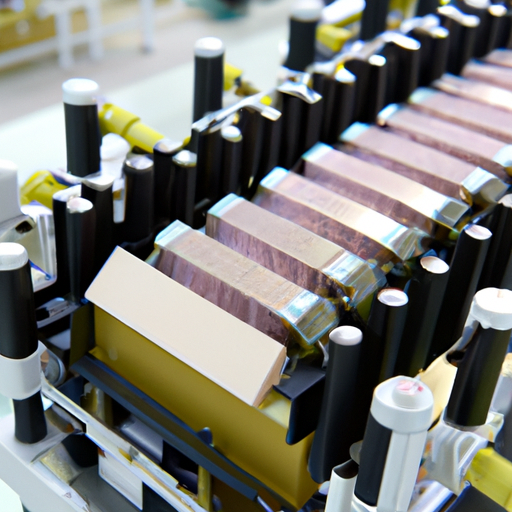
The manufacturing process of high-voltage resistors involves several key stages, each critical to the final product's quality and performance.
1. **Material Preparation**
- **Mixing and Compounding**: Raw materials are mixed to create a homogenous blend suitable for resistor production.
- **Shaping and Forming**: The mixed materials are shaped into the desired form, whether as a film, wire, or other configurations.
2. **Component Assembly**
- **Layering Techniques for Thick and Thin Film Resistors**: Layers of resistive material are applied to a substrate using screen printing or sputtering techniques.
- **Winding Techniques for Wirewound Resistors**: The wire is wound around a core, ensuring precise resistance values.
3. **Sintering and Curing**
- **High-Temperature Processes**: Sintering involves heating the assembled components to fuse materials together, enhancing electrical and mechanical properties.
- **Time and Temperature Considerations**: The duration and temperature of the sintering process are critical for achieving the desired characteristics.
4. **Encapsulation and Insulation**
- **Types of Encapsulation Materials**: Encapsulation protects resistors from environmental factors and mechanical stress.
- **Importance of Insulation in High-Voltage Applications**: Proper insulation is vital to prevent electrical breakdown and ensure safety.
5. **Final Assembly and Testing**
- **Electrical Testing**: Each resistor undergoes rigorous electrical testing to verify resistance values and voltage ratings.
- **Mechanical Testing**: Durability and thermal stability tests ensure that the resistors can withstand operational stresses.
Quality is paramount in high-voltage resistor production, as failures can lead to catastrophic consequences in electrical systems.
Manufacturers implement strict testing protocols to ensure that each resistor meets specified performance criteria.
Continuous improvement methodologies, such as Six Sigma, are employed to enhance production efficiency and product quality.
Compliance with international standards, such as ISO and IEC, is essential for gaining customer trust and ensuring product reliability.
Manufacturers face technical challenges, including material limitations and the need for effective thermal management in high-voltage applications.
The cost of high-quality materials and the need for efficient production processes can pose economic challenges for manufacturers.
Sustainability and waste management are increasingly important in the production process, prompting manufacturers to adopt eco-friendly practices.
Research into new materials and technologies is ongoing, with a focus on enhancing performance and reducing costs.
Automation and 3D printing are revolutionizing the manufacturing process, allowing for greater precision and efficiency.
As technology advances, the demand for high-voltage resistors in emerging applications, such as renewable energy and electric vehicles, is expected to grow.
The production process of high-voltage resistors is a complex and multifaceted endeavor that requires careful attention to detail at every stage. From the selection of raw materials to the final testing of products, each step is crucial for ensuring the reliability and performance of these essential components. As the industry continues to evolve, ongoing research and development will play a vital role in addressing challenges and meeting the growing demand for high-voltage resistors in various applications. The future of high-voltage resistors looks promising, with innovations in materials and manufacturing techniques paving the way for enhanced performance and sustainability.
1. Academic papers and articles on resistor technology and manufacturing processes.
2. Industry reports detailing market trends and advancements in high-voltage resistor production.
3. Manufacturer guidelines and specifications for high-voltage resistors.
This comprehensive overview of the mainstream high-voltage resistor production process highlights the importance of quality, innovation, and compliance in creating reliable components for modern electrical and electronic applications.